 EN
EN  IT
IT  FR
FR A few days in Rome, together with me
That "crazy dream" hidden underground

We all know the Colosseum. We've seen it on a thousand postcards—"amputated," wounded, yet eternal. But there is a secret beating right nearby, buried beneath a hill, that makes you feel even smaller than the Flavian Amphitheatre.
I stepped into the craziest and most grandiose dream of Antiquity: the Domus Aurea, the palace that Rome wanted to forget.
It was an estate that covered three hills, featuring an artificial lake and pavilions for every season. This was the home of Nero, a project so immeasurable that the people, after his death, tried to erase it forever—a victim of the damnatio memoriae that struck the emperor famous for his excesses.
What we visit today is only a fragment of that luxury, paradoxically saved by another emperor, Trajan, who used it as the foundations for his thermal baths, burying it completely.
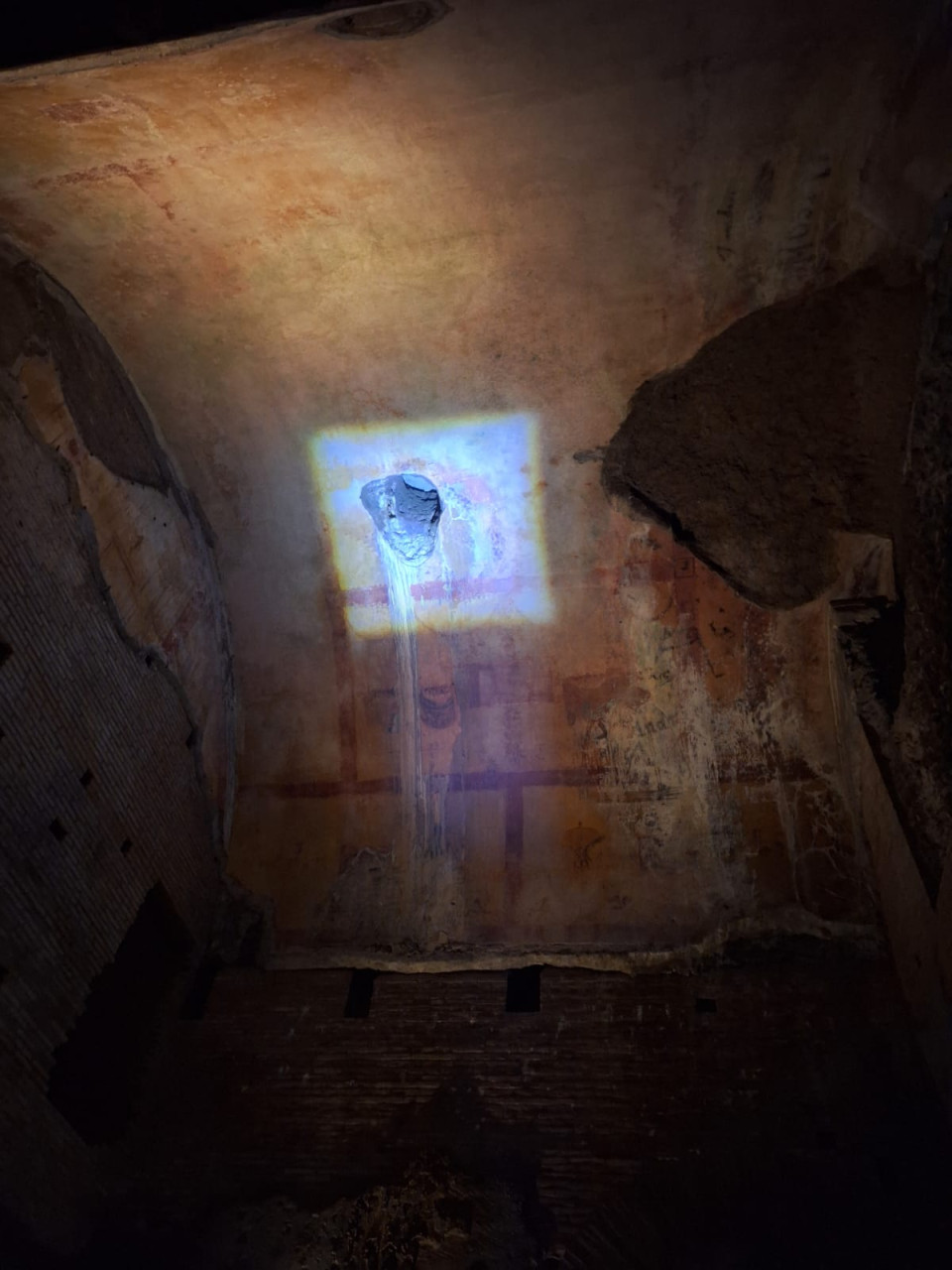
The most incredible part? In the 1500s, giants like Raphael and Pinturicchio lowered themselves down with ropes through holes cut into the vaults. Since these spaces were discovered by chance, they were initially thought to be "grottos" (caves), and it was there they rediscovered the original colors of the Empire.
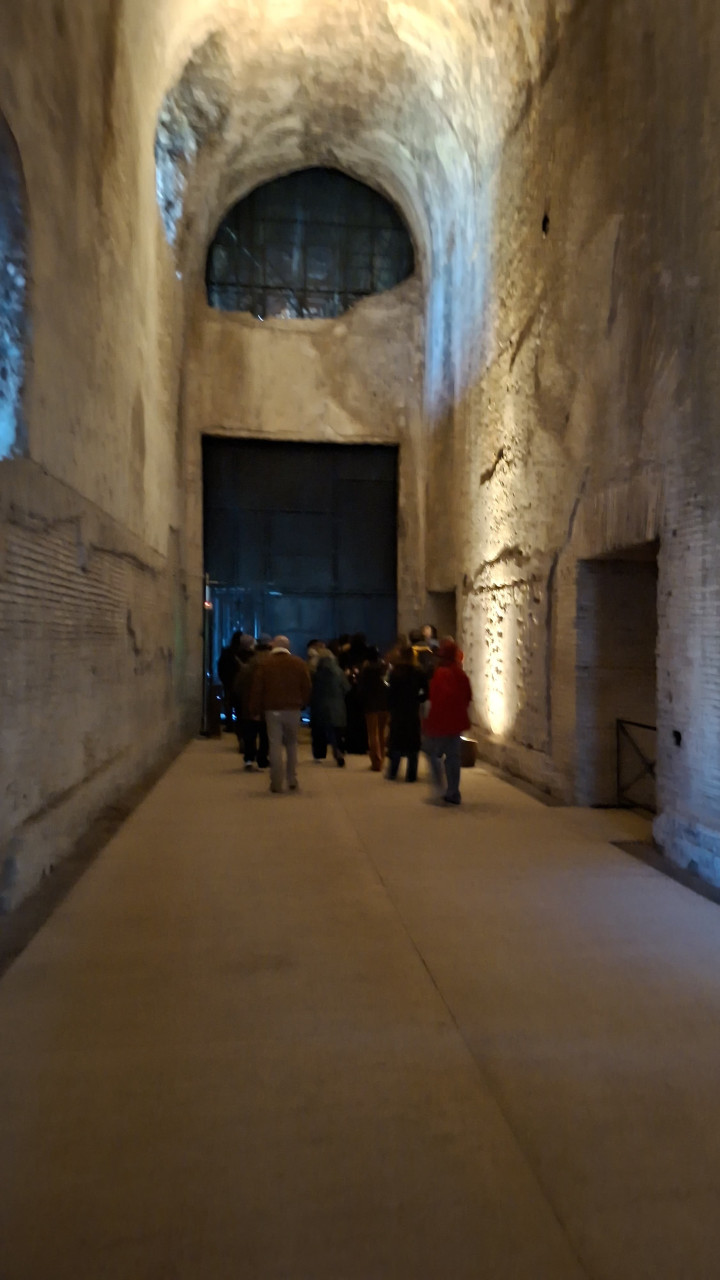
This gave birth to "grotesques," decorations that changed the history of art and can still be admired today along the villa's soaring corridors, brought back to light by archaeologists.
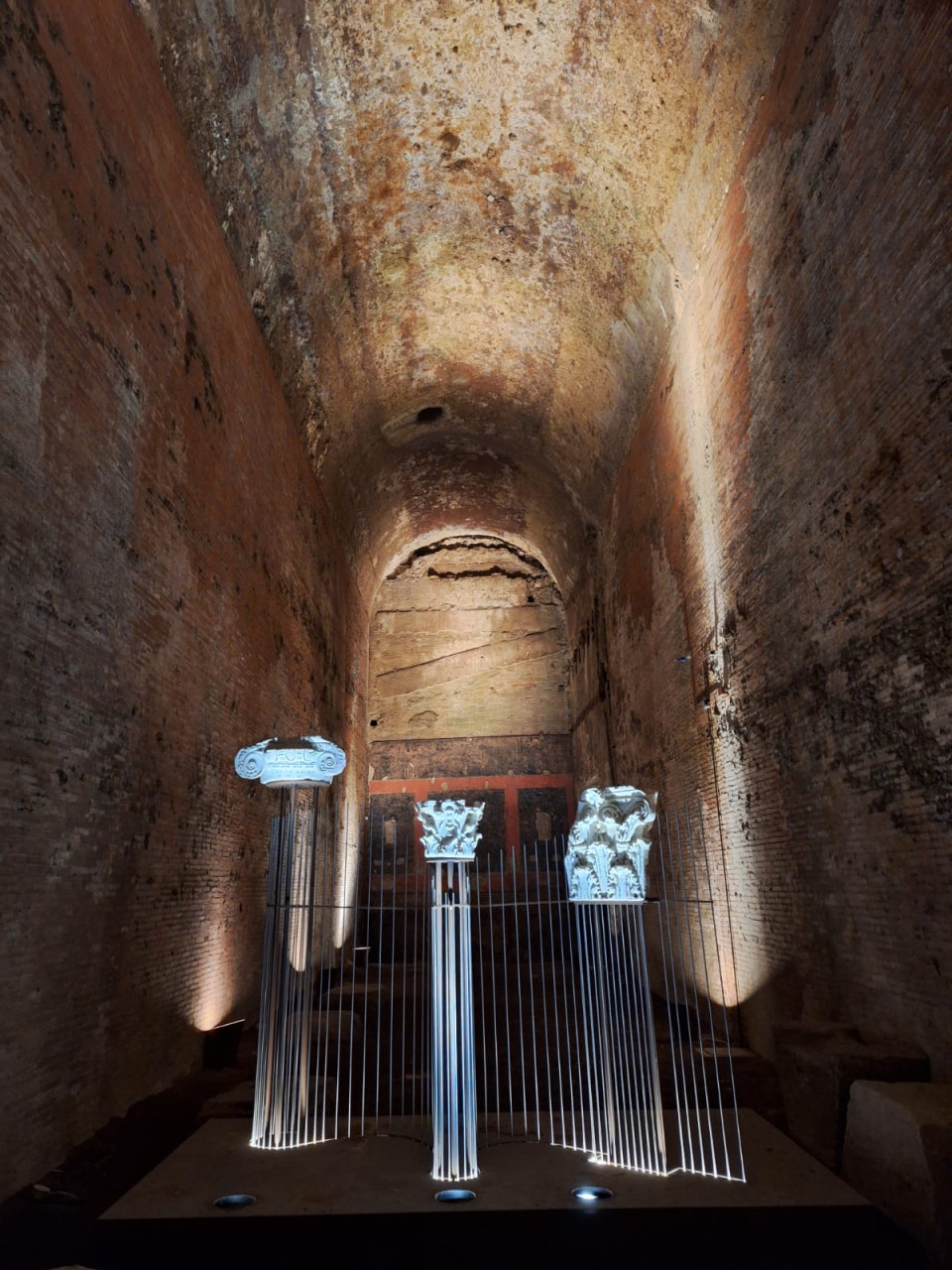
Walking through the Domus Aurea today is an almost mystical experience, but the true highlight comes during the augmented reality segment: the peeling walls shine once more with gold and precious marbles, and the gardens open up before your eyes.
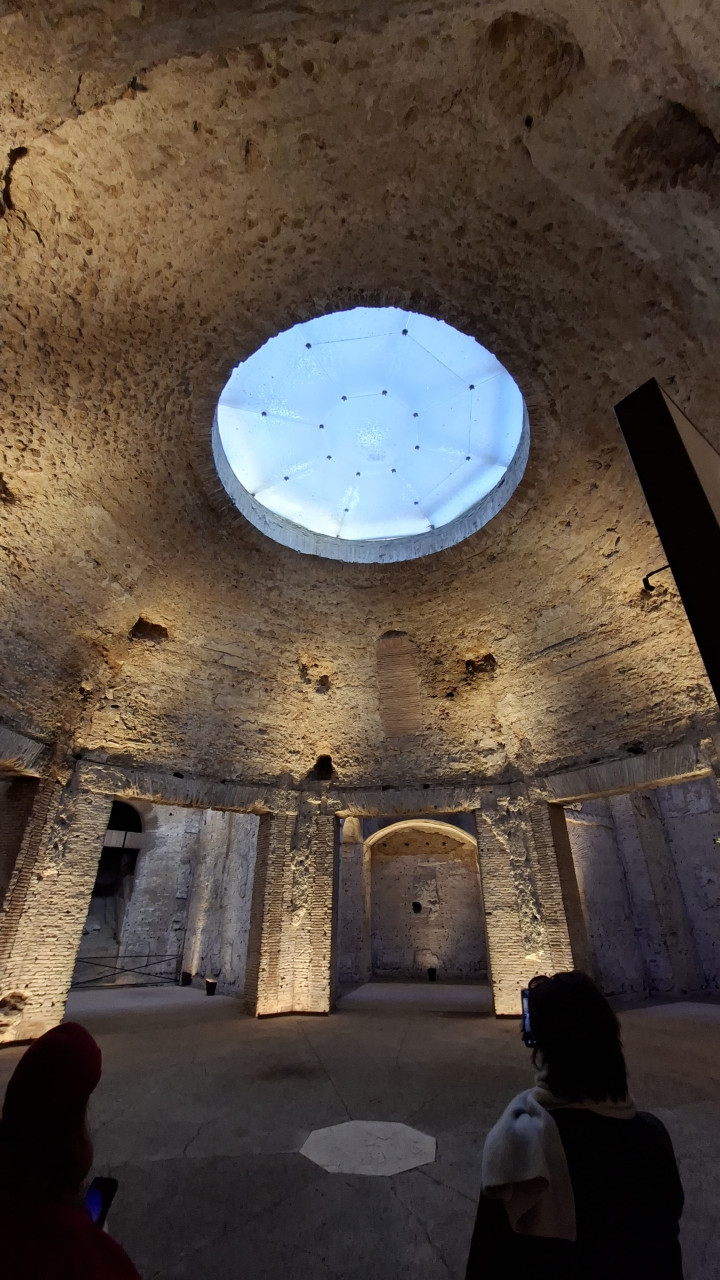
The tour ends in the spectacular Octagonal Room. Its vaulted ceiling with a central opening recalls the Pantheon, but it hides a more intriguing secret. It is said that there was once a structure here that rotated slowly, allowing guests to dine while admiring the movement of the stars.
It felt like I could truly touch the ambition of a man who wanted to be a god.
 WhatsApp
